
Community
Bay Area voters weigh regional transit tax measure to prevent transit cuts
By Marcus Chen
Advertisement · Why this ad?
Marcus manages the day-to-day editorial workflow across all brands, coordinating coverage assignments and ensuring editorial standards are met. He previously served as city editor at the Pioneer Press and holds a degree in Political Science from Carleton College.
More from Marcus →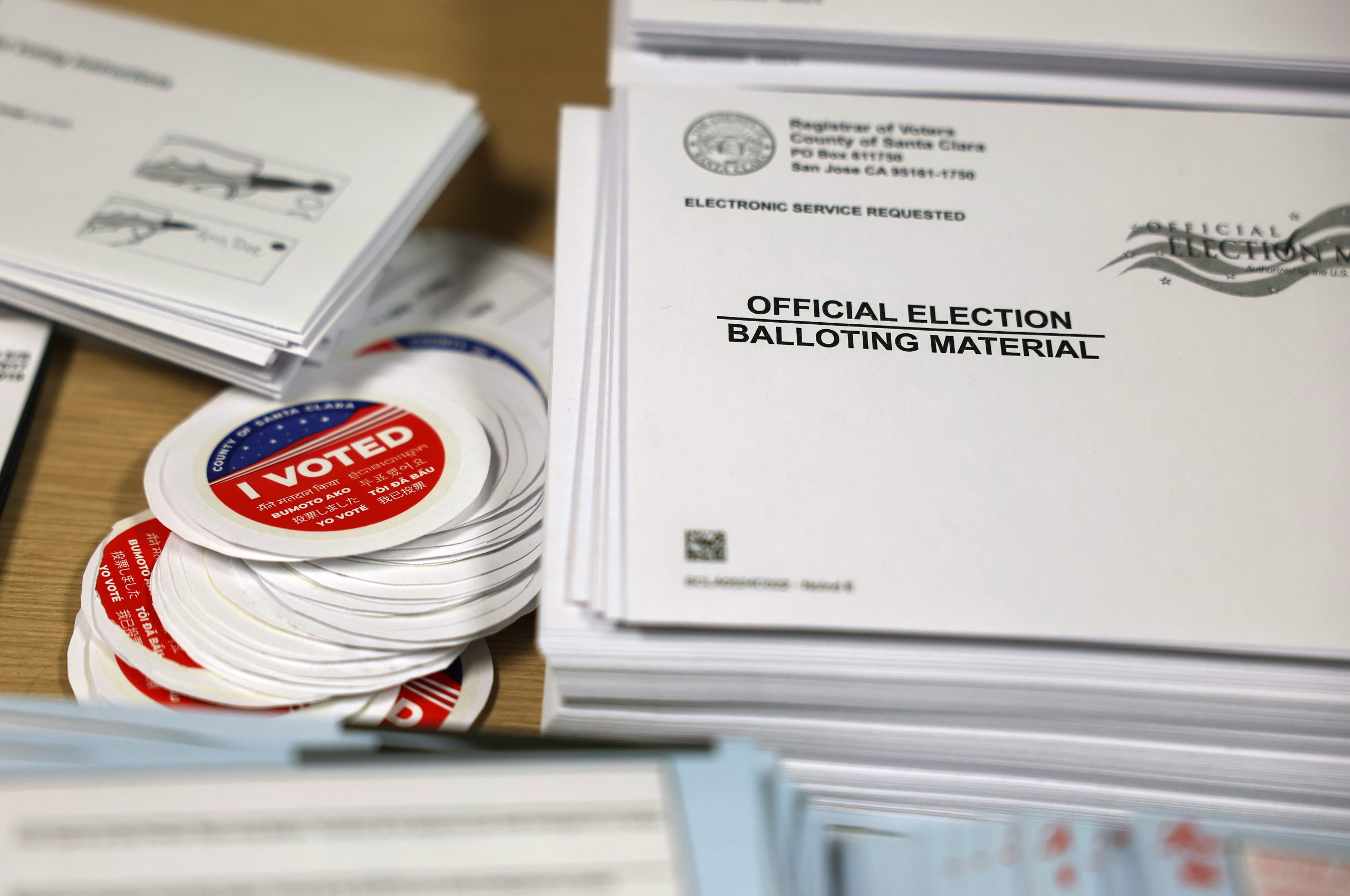
On a crisp autumn morning in Atherton, residents gathered at the local community center, some clutching steaming cups of coffee, others engaged in animated discussions about the upcoming election. The air buzzed with anticipation as neighbors exchanged thoughts on candidates and ballot measures. Amidst this lively scene, a significant legal decision unfolded that could impact how ballots are processed in California.
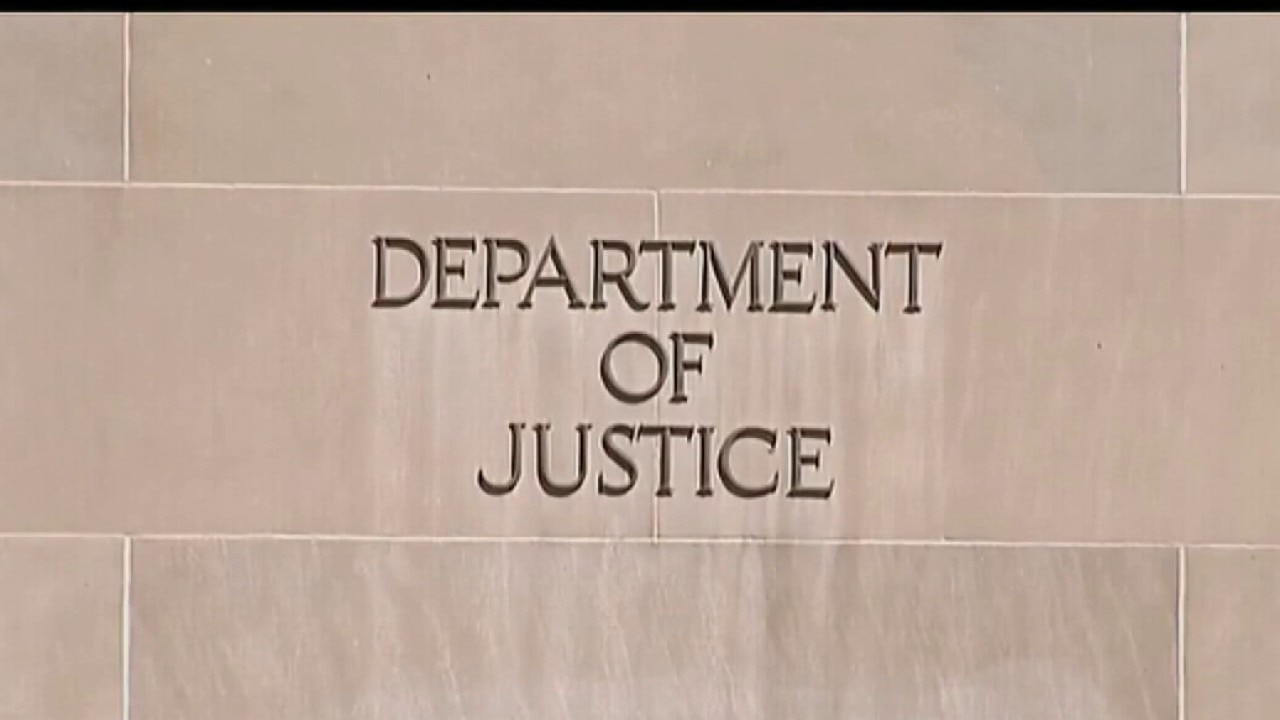
A federal appeals court recently rejected a request from the Justice Department to compel California to set aside disputed ballots. This ruling came after a federal judge prohibited the Justice Department from coercing election workers in their duties to process ballots. The decision is crucial as it affirms the independence of state election processes and the integrity of the democratic system.
The appeals court's ruling underscores the importance of local control over election administration, especially in a state like California, known for its diverse electorate and progressive voting laws. The Justice Department's initial request raised concerns about potential overreach and interference in state matters, which many viewed as a threat to the electoral process.
As the election approaches, the implications of this ruling resonate deeply within the community. Atherton, with its close-knit neighborhoods and strong civic engagement, exemplifies the values of participation and transparency that underpin American democracy.
The backdrop to this ruling involves ongoing tensions between federal and state authorities regarding election integrity. The Justice Department has been actively involved in monitoring elections across the country, citing concerns about voter suppression and fraud. However, in this instance, the court emphasized that California's election officials must operate free from external pressures.
California Secretary of State Shirley Weber expressed relief at the court's decision, stating, “This ruling protects the integrity of our elections and ensures that our election workers can perform their duties without fear of intimidation.” Her comments reflect a broader sentiment among state officials who prioritize the sanctity of the voting process.
The ruling also aligns with the principles of local governance, which resonate strongly in communities like Atherton. Residents value their ability to influence local decision-making, particularly regarding election procedures that directly affect their lives.
The decision has sparked a wave of discussions among Atherton residents about the importance of maintaining a fair electoral process. Many community members are actively engaged in local politics, attending town hall meetings and volunteering as election workers. This ruling reinforces their belief that local voices matter in shaping the democratic landscape.
Local resident Maria Gonzalez, a longtime volunteer with the Atherton election office, shared her thoughts: “It’s our duty to ensure that every vote counts. This ruling gives us the confidence to do our jobs without outside interference.” Her commitment reflects a broader ethos in Atherton, where civic responsibility is highly valued.
Furthermore, the ruling is expected to bolster voter turnout in the upcoming election. With the assurance that their votes will be counted without undue influence, residents may feel more empowered to participate in the electoral process. This heightened engagement is essential for the health of democracy at all levels.
The local school district has also taken notice of the ruling's implications. Superintendent Dr. Jane Smith commented, “As we educate our students about civic responsibility, it’s crucial they understand the importance of fair elections. This ruling is a step toward ensuring that future generations can participate in a system that is free from coercion.”
Local leaders have praised the court’s decision, viewing it as a victory for democracy. Atherton Mayor Bill Widmer remarked, “We must protect our election processes from any form of coercion. This ruling affirms our commitment to fair elections.” His statement echoes a sentiment shared by many in the community who believe in the importance of maintaining the integrity of local governance.
Additionally, the Atherton City Council plans to host an informational session to discuss the implications of the ruling and encourage residents to engage in upcoming elections. Councilmember Lisa Baker emphasized, “We want to ensure our community is informed and ready to participate. Every voice matters, especially in a democracy.”
This proactive approach reflects the city’s dedication to fostering an informed electorate, which is crucial for the future of local governance. The city council has also partnered with local advocacy groups to provide resources and support for residents looking to learn more about their voting rights and the electoral process.
In addition to local leaders, various community organizations are mobilizing to ensure that residents are aware of their rights. The Atherton Civic Engagement Coalition, composed of volunteers from various backgrounds, is organizing workshops aimed at demystifying the voting process. Coalition member John Lee stated, “We want to empower everyone, especially first-time voters, to understand how they can make their voices heard.”
Moreover, the ruling has prompted discussions about the importance of transparency in the electoral process. Local resident and activist Sarah Thompson noted, “It’s vital for our community to trust that our elections are fair. This ruling is a step in the right direction, reminding us that we need to hold our election officials accountable.”
As Atherton prepares for the upcoming election, the community is focused on ensuring that every resident understands their voting rights and the importance of their participation. The recent ruling provides a framework for local officials to operate without fear of external pressures, fostering an environment of trust and transparency.
Election workers in Atherton are gearing up for what promises to be a busy election season. With the assurance of legal protection, they can focus on their primary mission: facilitating a smooth and fair voting process. This commitment to integrity is vital in a time when public confidence in elections is paramount.
In conclusion, the appeals court ruling not only protects the rights of election workers but also reinforces the foundational principles of democracy in Atherton and beyond. As residents prepare to cast their ballots, they do so with the assurance that their voices will be heard, free from coercion. This ruling serves as a reminder of the importance of local governance and the collective responsibility of citizens to engage in the democratic process.
By Marcus Chen
By Katherine Langford

By Marcus Chen

By Katherine Langford